
Why ‘Sleepy Girl Mocktail’ Is Trending — And Does It Actually Work?
Sep 21, 2026



The magnesium aisle can be overwhelming, with each form promising different benefits for the body and mind. Understanding the differences between these three popular options can help you make a smarter choice for your health goals.
Advertisement
Magnesium has long been recommended for aiding sleep, but not all magnesium supplements are made the same. The distinctions between magnesium forms are often overlooked, yet understanding how they work can help you decide which one suits your needs best.

Magnesium supplement bottle with capsules | Source: Getty Images
The main three types are magnesium glycinate, citrate, and oxide.
Magnesium glycinate is a popular supplement that pairs magnesium with glycine, an amino acid known for its antioxidant, anti-inflammatory, and calming properties.
Research suggests glycine can help reduce stress and support tissue and metabolic health.

A woman taking a break after working out at home | Source: Getty Images
Advertisement
Since glycine on its own has been linked to better sleep quality, many assume magnesium glycinate is the superior choice for a nighttime routine.
It's also highly bioavailable, meaning it's absorbed more efficiently in the gut than other magnesium types, and it comes in pills, capsules, powders (which you can mix with a sleepy girl mocktail), and liquids.

A young woman pours magnesium powder into a glass of water | Source: Getty Images
Magnesium citrate, meanwhile, is magnesium bound to citric acid. It offers moderate absorption along with a mild osmotic laxative effect, making it a solid pick for occasional constipation or mild deficiencies.
"Both magnesium glycinate and citrate are organic forms and highly bioavailable, meaning they're better absorbed than inorganic forms like magnesium oxide," explains Taiyyibah Moughal, a Registered Dietitian.
Advertisement

A young woman in a blue shirt holds a blister pack of pills and a medication box | Source: Getty Images
Both forms may also help ease migraines, anxiety, muscle tension, soreness, and cramps.
That said, glycinate tends to be gentler on the stomach, making it a better fit for anyone with a sensitive gut, while citrate can occasionally cause loose stools, though typically only at higher doses.

A woman experiencing stomach pains | Source: Getty Images
Advertisement
Finally, there's magnesium oxide, which is magnesium bound to oxygen. Though it has low bioavailability, it provides a cost-effective dose of elemental magnesium and can offer short-term relief for constipation or indigestion.
It's the most common and least expensive form, but its bioavailability is estimated at just 4%. It also carries a higher elemental magnesium content per tablet — up to 60% — which can trigger stronger laxative effects at high doses.
Because its absorption rate is so low, magnesium oxide is generally less effective at correcting a true deficiency, and higher doses can bring on noticeable diarrhea and cramping. For these reasons, it's not considered ideal for long-term use.

A pharmacist giving recommendations to a senior customer at a pharmacy counter | Source: Getty Images
Advertisement
Deciding which form is right for you depends on several factors, including proper dosing, gastrointestinal tolerance, potential drug interactions, and kidney health.
Since symptoms like fatigue, cramps, anxiety, or digestive discomfort can stem from causes other than magnesium deficiency, it's worth identifying what's actually behind how you feel with a medical professional before reaching for a supplement.
Advertisement

The information in this article is not intended or implied to be a substitute for professional medical advice, diagnosis or treatment. All content, including text, and images contained on yourLifeWellOrganized.com, or available through yourLifeWellOrganized.com is for general information purposes only. yourLifeWellOrganized.com does not take responsibility for any action taken as a result of reading this article. Before undertaking any course of treatment please consult with your healthcare provider.

From baby Botox to diaper cream, Jennifer Lawrence's beauty routine is refreshingly unfiltered. In a candid interview with Vogue, she talks about what she's willing to try, and what she isn't.
Sep 17, 2026

Scalp care is skincare's newest star, and dermatologists say it deserves just as much attention as your face routine. Here's how to keep the skin under your hair happy and healthy.
Sep 15, 2026
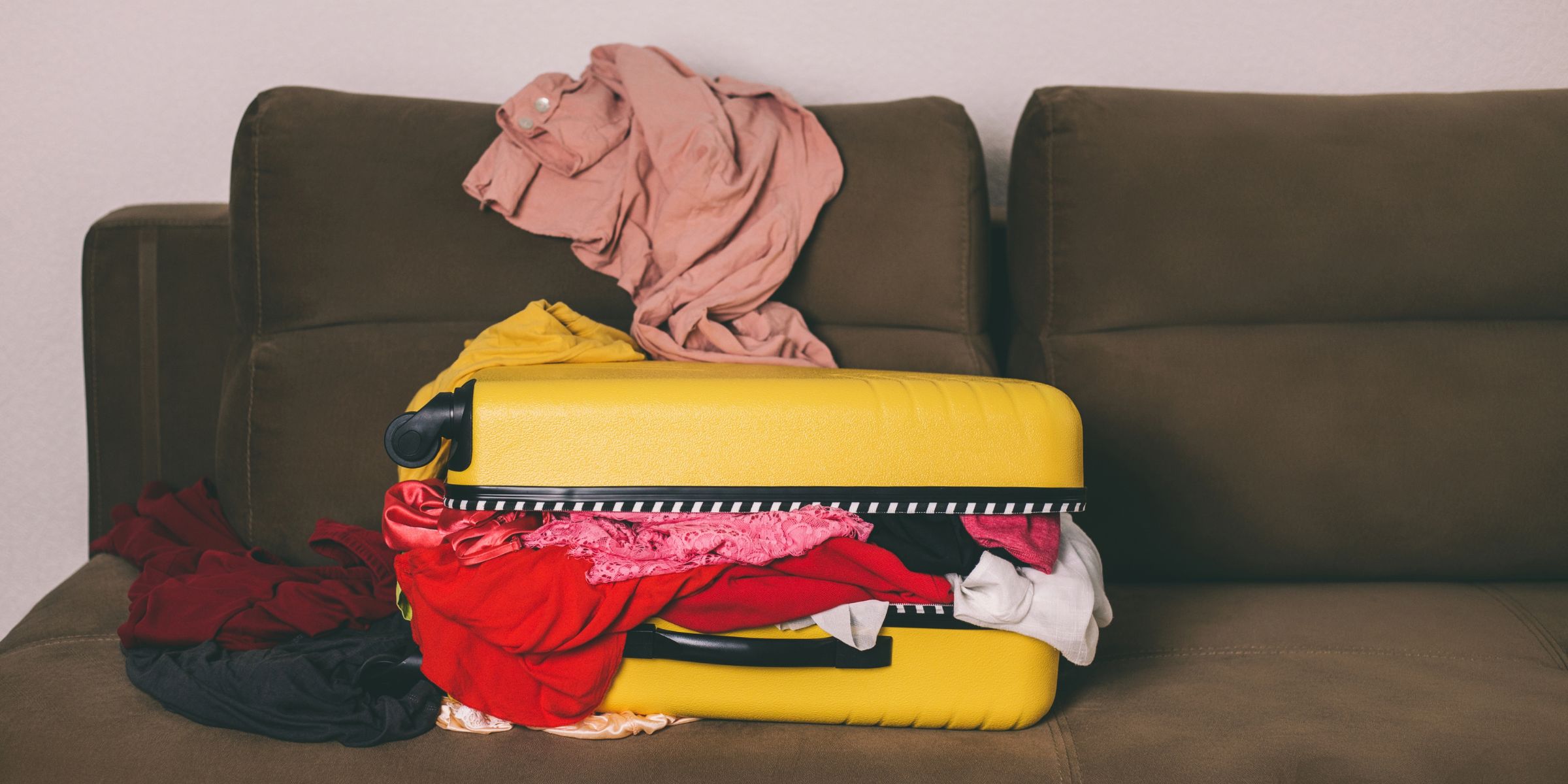
Packing for a trip doesn't have to end in stress and an overstuffed suitcase. Here's what travel experts say you should — and shouldn't — do before your next flight.
Sep 18, 2026

Christina Aguilera turned heads at a glamorous Monaco gala, but her fashion, makeup, and overall appearance quickly became the subject of a much bigger online conversation. The reaction also echoes something the singer has dealt with for decades: intense public scrutiny over her looks.
Sep 21, 2026

More parents are ditching screens for old-school fun like board games and VHS tapes. Experts say the "going analog" trend is less about nostalgia and more about giving kids the limits they secretly crave.
Sep 16, 2026

The 73-year-old actor stepped onto the Hollywood red carpet with wife Keely Shaye Smith and sons Paris and Dylan — a family sight rarely captured in public.
Sep 18, 2026

Good lighting can transform a room's mood in an instant, and top interior designers agree it's the foundation of every well-designed space. Here's how to layer light sources for a warmer, cozier home this season.
Sep 18, 2026

Screens are more accessible to children than ever, and parents are struggling to strike the right balance. Experts share age-based guidelines and practical tips for building healthier digital habits at home.
Sep 17, 2026

It starts with a tick bite, and for some celebrities, it took years to figure out what came next. Justin Timberlake, Shania Twain, and others have opened up about their long, often confusing roads to a Lyme disease diagnosis.
Sep 17, 2026

Lisa Rinna and Harry Hamlin attended The Hollywood Reporter x SAG-AFTRA Emmy Nominees Night at Chateau Marmont, where Lisa turned heads in a dramatic black couture gown. But the couple's latest photos captured a detail that quickly caught people’s attention.
Sep 15, 2026
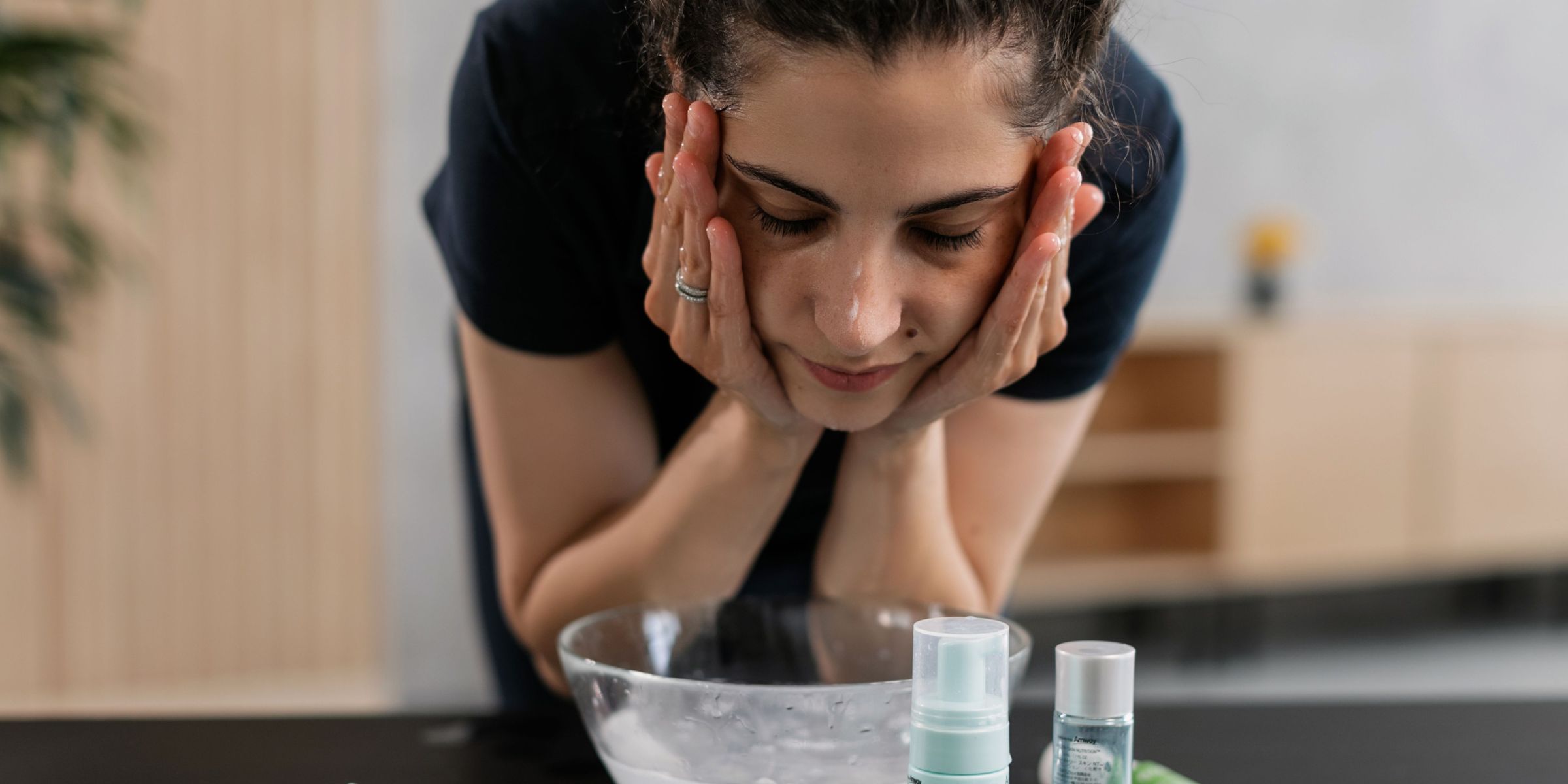
You can spend hours perfecting your makeup, but if you're not taking it off the right way, you could be undoing all that work while you sleep. Dermatologists share the most common mistakes people make when removing makeup, and how to actually fix them.
Sep 18, 2026

Gentle parenting was once hailed as the gold standard of modern child-rearing, but it's since drawn sharp criticism from experts. Here's how parents can strike a better balance between empathy and structure.
Sep 15, 2026

A viral TikTok trend called "airport theory" is pushing travelers to cut their arrival time down to just minutes before boarding. Experts warn the risky habit could leave passengers stranded at the gate — or without their luggage.
Sep 21, 2026
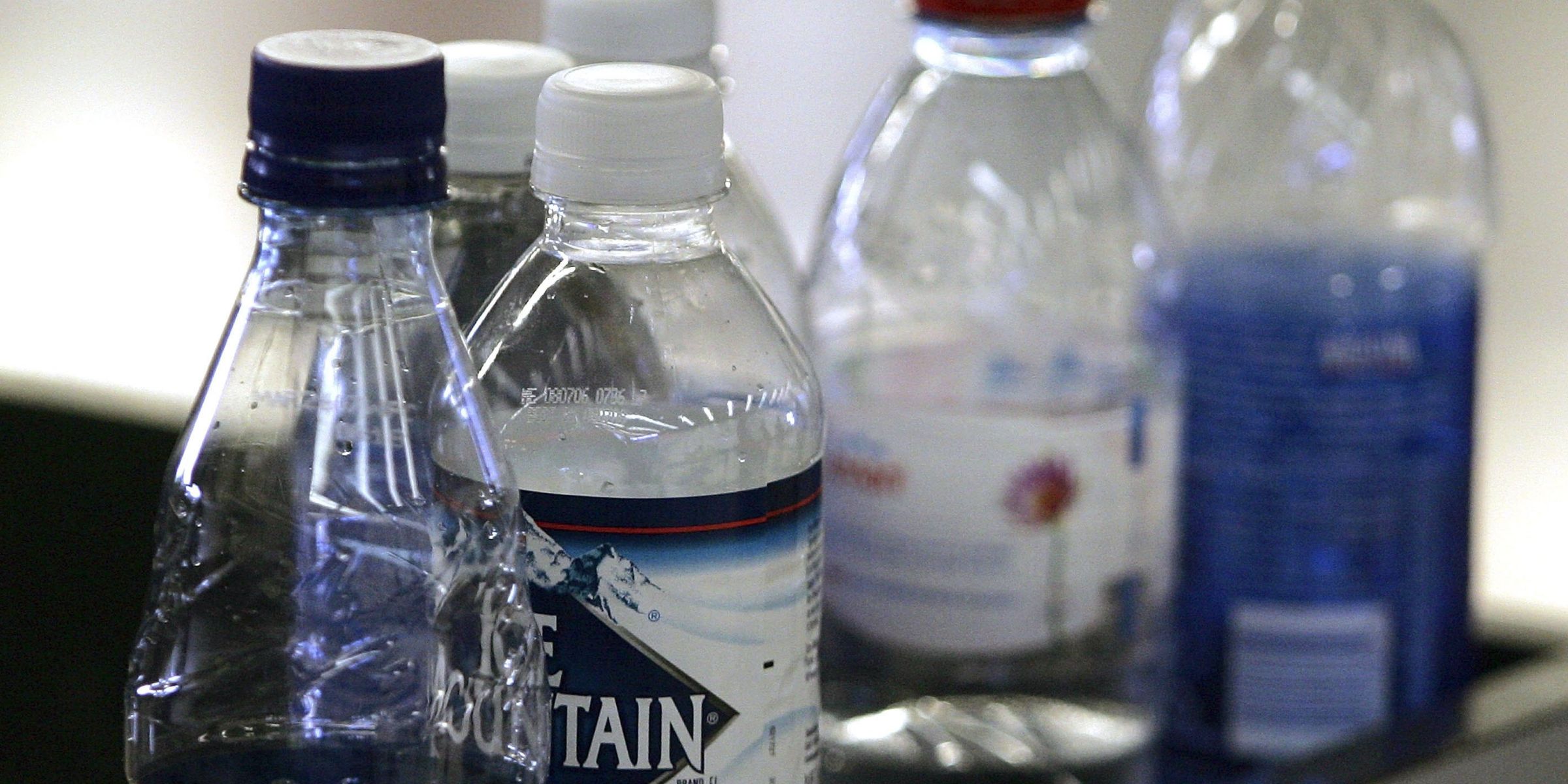
According to a new report, the TSA is considering reversing its 20-year-old policy by allowing PreCheck travelers to bring water bottles through security checkpoints without needing to empty them first.
Sep 14, 2026