Lisa Rinna Commands the Emmy Nominees Night in a Black Fringe Gown — but It's Harry Hamlin Who Has People Talking — Photos
Sep 15, 2026



From landlines to Lego, families are rediscovering life without a glowing screen in the room. The shift isn't about rejecting technology altogether — it's about reclaiming the slower, simpler moments that shape happy, well-adjusted kids.
Advertisement
As social media and the broader internet grow more chaotic by the day, parents are choosing to unplug — not just for themselves, but for their children too. "Going analog" has become a viral parenting trend, and it's easy to see why.

A dad blowing bubbles for his kids | Source: Getty Images
With screens growing more sophisticated and harder to unplug from, many parents sense a real urgency to protect something precious: their kids' childhood.
As smartphones, streaming, AI tools, and social media all compete for attention, family life has started to feel exhausting and perpetually "on."
It's why more households are deliberately slowing things down. They're cutting back on screen time, easing digital fatigue, and bringing back the offline experiences that once defined childhood.
Advertisement

A young family enjoying a walk on the beach | Source: Getty Images
For most families, this isn't about shunning technology or romanticizing the past. It's about protecting a play-based, developmentally healthy upbringing at a time when screens and AI are more influential than ever.
Some parents are turning to retro entertainment, like watching movies on VHS instead of streaming endlessly, swapping apps for board games, and even installing landlines so kids can stay in touch without needing a smartphone.

A girl talking to someone on a landline telephone | Source: Getty Images
Advertisement
Dr. Becky Kennedy, clinical psychologist and founder of Good Inside, believes the analog movement is really about craving structure.
"Yes, we're all pulled toward instant gratification — and the digital world makes that endless: one more scroll, one more email, one more question, one more level," she shared.
"But after a while, the endlessness starts to feel unsettling," she noted. "It's almost like living as an egg without a shell — you can spread everywhere and go on forever, but you don't feel held."

A group of people using smartphones outdoor | Source: Getty Images
Analog life, on the other hand, comes with natural stopping points — and that's exactly the appeal: finishing the chapter, completing the puzzle, playing one game where someone wins, someone loses, and everyone moves on.
Advertisement
"Kids need those edges too — they rarely seek them out themselves, but they respond well when parents hold the boundaries," Dr. Kennedy explained. "Limits are frustrating — it's the opposite of instant gratification — but limits are also what help adults and kids feel safe and competent."

A young girl and boy sit on a wooden bench beside a long radiator and a sunny window | Source: Getty Images
If going analog sounds like a good fit for your family, here's a simple guide to help you get started:
Advertisement

A mother and daughter relaxing on the sofa while reading a book together | Source: Getty Images
None of these ideas need to happen all at once. You can introduce them gradually, picking and choosing whatever fits your family's rhythm and home life.
Because, as already mentioned, going analog isn't about ditching devices altogether — it's about the intention. By carving out small pockets of unplugged time, you aren't just cutting screen time; you're giving your kids room to be bored, curious, and present.
Advertisement

Gentle parenting was once hailed as the gold standard of modern child-rearing, but it's since drawn sharp criticism from experts. Here's how parents can strike a better balance between empathy and structure.
Sep 15, 2026
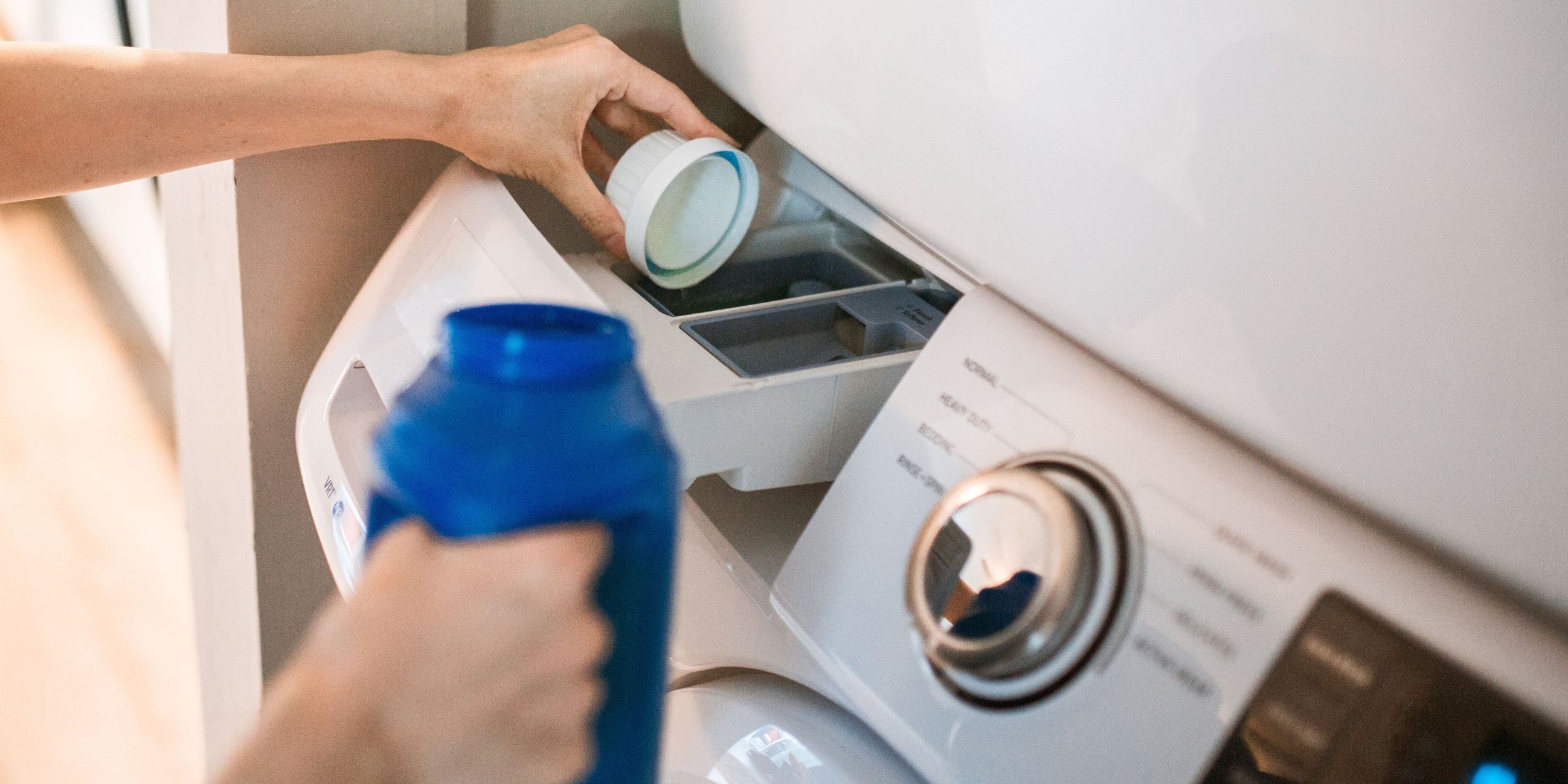
Adding an extra dose of detergent may seem like an easy solution to get cleaner clothes. But according to laundry experts, it usually does the opposite.
Sep 14, 2026

According to a new report, the TSA is considering reversing its 20-year-old policy by allowing PreCheck travelers to bring water bottles through security checkpoints without needing to empty them first.
Sep 14, 2026

Dark spots got you stressed? Hyperpigmentation is more common — and more treatable — than you might think. Here's what causes it and how dermatologists recommend tackling it.
Sep 14, 2026