
Experiment with These Jelly French Nail Ideas for Your Next Set
Sep 16, 2026



From toddlers swiping through tablets to teens glued to smartphones, digital media has become a fixture of childhood. Finding the line between healthy use and overexposure is proving to be one of modern parenting's toughest challenges.
Advertisement
Social media and the internet at large have never been more accessible to young people, especially toddlers. As these digital spaces grow increasingly chaotic and influential, parents are reconsidering how much screen time to allow their children.

A little boy watching a video on a digital tablet | Source: Getty Images
This doesn't mean cutting out digital media altogether. Rather, a balance needs to be struck for young, impressionable minds. While screens can entertain, educate, and occupy children, excessive use or exposure to inappropriate content can create real problems.
Parents don't always know exactly what their children are watching or how much time they're spending on screens. Kids may encounter violence, self-harm, and suicide-related content, videos of dangerous stunts or challenges that could inspire risky behavior, sexual material, and more.
Advertisement

A little girl watching a video on a digital tablet | Source: Getty Images
Too much screen time has also been linked to sleep disruption, lower grades, reduced reading habits, less quality time with family and friends, insufficient outdoor or physical activity, weight issues, mood swings, and struggles with self-image and body image.
Managing a child's screen time is no easy task for families, but it's never too early to establish a plan. Here are a few tips, as per the American Academy of Child and Adolescent Psychiatry, to help ensure your child consumes digital media safely:
Advertisement

A mother and her toddler sleeping peacefully together | Source: Getty Images
Screens aren't going anywhere soon, which makes it all the more important to build healthy habits around digital consumption early on. Keep the following in mind as your child grows:
Advertisement

A mom and daughter using smartphones together | Source: Getty Images
Ultimately, there's no one-size-fits-all approach to managing screen time. What matters most is staying engaged, setting age-appropriate boundaries, and adapting the plan as your child grows.
With a thoughtful strategy in place, families can help children enjoy the benefits of digital media while minimizing its risks.
Advertisement

The information in this article is not intended or implied to be a substitute for professional medical advice, diagnosis or treatment. All content, including text, and images contained on yourLifeWellOrganized.com, or available through yourLifeWellOrganized.com is for general information purposes only. yourLifeWellOrganized.com does not take responsibility for any action taken as a result of reading this article. Before undertaking any course of treatment please consult with your healthcare provider.
The National Suicide Prevention Lifeline is 1-800-273-8255. Other international suicide helplines can be found at befrienders.org.

More parents are ditching screens for old-school fun like board games and VHS tapes. Experts say the "going analog" trend is less about nostalgia and more about giving kids the limits they secretly crave.
Sep 16, 2026

Gallery walls are back for 2026, but with a decidedly looser, more personal spirit than the matchy-matchy grids of the last decade. Here's what's driving the shift toward eclectic, "collected over time" displays.
Sep 16, 2026

Meghan Markle joined a school parents' chat with a friendly greeting, only for it to backfire completely. Here is how a simple text message triggered an unexpected security alert for the royal family.
Sep 16, 2026

Lisa Rinna and Harry Hamlin attended The Hollywood Reporter x SAG-AFTRA Emmy Nominees Night at Chateau Marmont, where Lisa turned heads in a dramatic black couture gown. But the couple's latest photos captured a detail that quickly caught people’s attention.
Sep 15, 2026

That glowing five-star hotel review might not have been written by a guest at all. As AI-generated reviews flood travel sites, more customers are getting fooled, but a few simple checks can help you tell real feedback from fake.
Sep 15, 2026

Scalp care is skincare's newest star, and dermatologists say it deserves just as much attention as your face routine. Here's how to keep the skin under your hair happy and healthy.
Sep 15, 2026

Gentle parenting was once hailed as the gold standard of modern child-rearing, but it's since drawn sharp criticism from experts. Here's how parents can strike a better balance between empathy and structure.
Sep 15, 2026

Adding an extra dose of detergent may seem like an easy solution to get cleaner clothes. But according to laundry experts, it usually does the opposite.
Sep 14, 2026

According to a new report, the TSA is considering reversing its 20-year-old policy by allowing PreCheck travelers to bring water bottles through security checkpoints without needing to empty them first.
Sep 14, 2026
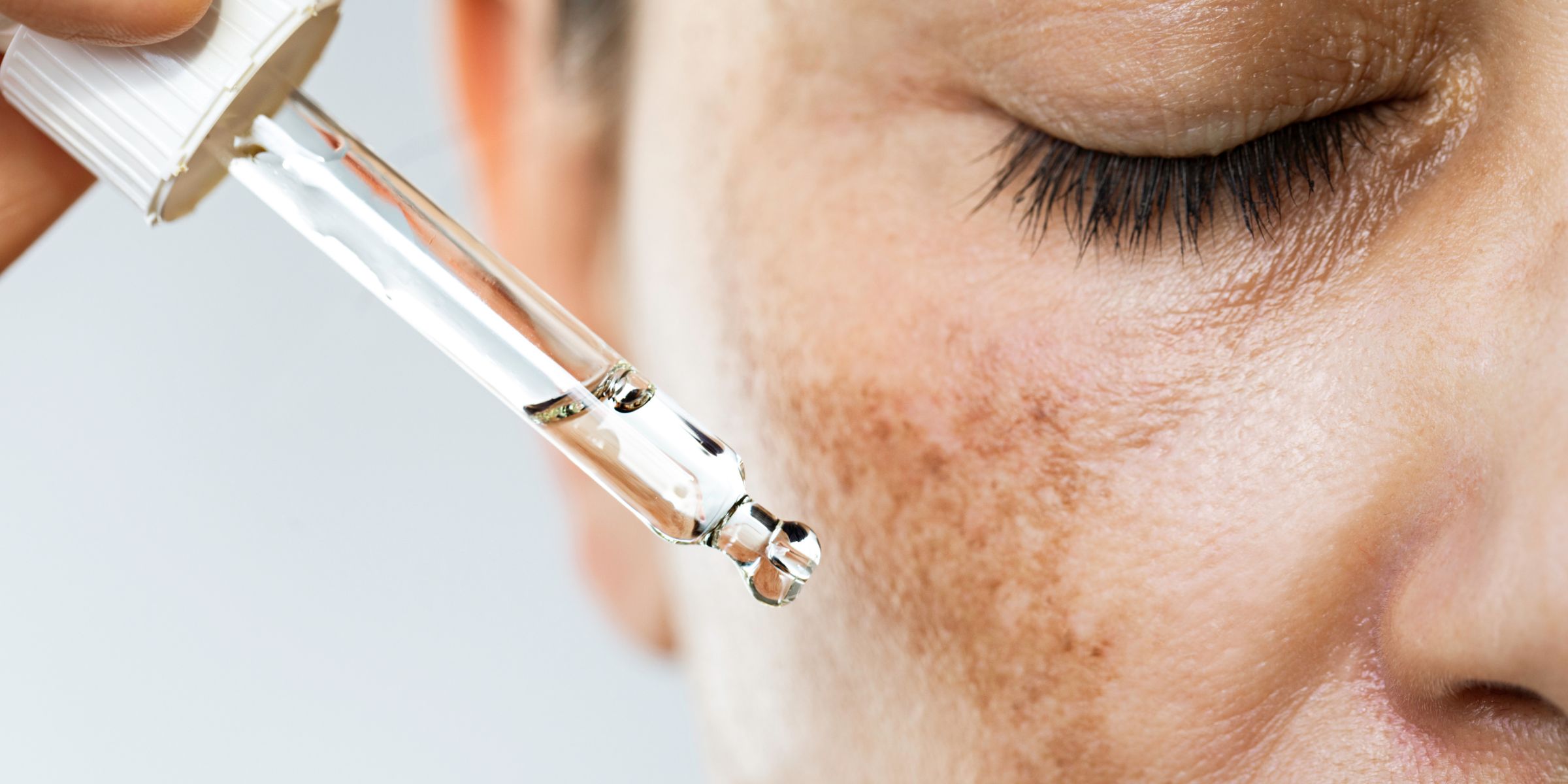
Dark spots got you stressed? Hyperpigmentation is more common — and more treatable — than you might think. Here's what causes it and how dermatologists recommend tackling it.
Sep 14, 2026